
Abstract
Accurate temperature measurements are foundational in climate research and oceanography. Detecting subtle changes – for instance, deep-ocean warming on the order of millikelvins – demands extremely precise instruments and rigorous calibration standards. Isothermal Technology (Isotech) produces high-accuracy thermometry equipment (such as the microK and milliK thermometry bridges, ITS-90 fixed-point cells like water triple point and gallium melt cells, and ultra-stable calibration baths) that are often used to establish traceable temperature references.
Many leading scientific institutions and projects have publicly documented the use of Isotech equipment to ensure climate measurements meet the necessary accuracy. Below, we present several credible examples of Isotech equipment being employed in climate and oceanographic research contexts, along with the specific applications and sources.
1. The Need for Precision in Oceanography
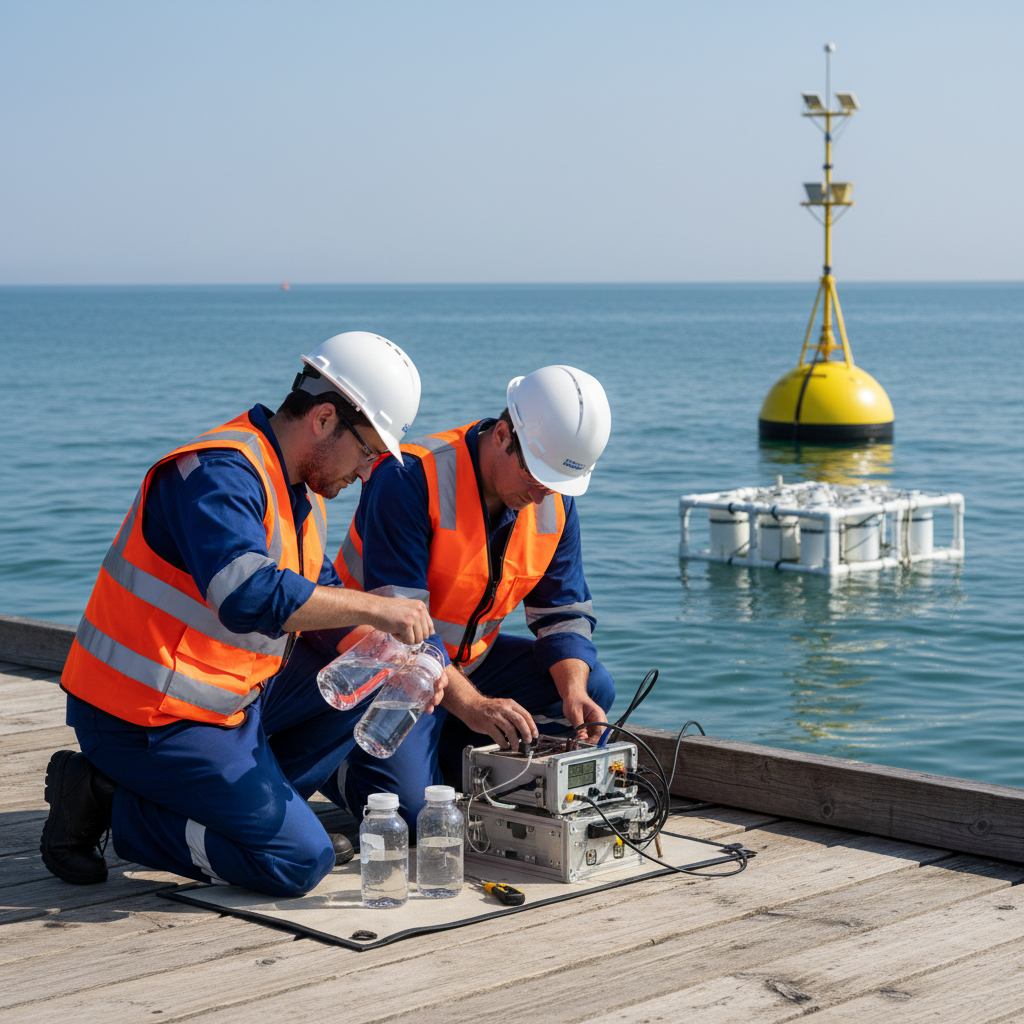
Climate research and oceanography require temperature measurements of extraordinary precision. Deep-ocean warming occurs on the order of millikelvins per decade, making it essential to detect and quantify these subtle changes with high confidence. Traditional thermometry approaches often lack the stability and accuracy needed for such demanding applications.
The challenge is compounded by the harsh marine environment and the need for long-term stability. Instruments must maintain their calibration over extended periods while operating in conditions ranging from surface waters to the deep ocean. This is where precision thermometry equipment becomes indispensable.

2. Isotech Precision Thermometry
Isotech produces a comprehensive range of high-accuracy thermometry equipment specifically designed for demanding scientific applications. The microK and milliK thermometry bridges provide exceptional resistance ratio measurements, while ITS-90 fixed-point cells (including water triple point and gallium melt cells) serve as fundamental temperature references. Ultra-stable calibration baths complete the suite of equipment used to establish traceable temperature standards.
Key Features:
- Drift-free resistance ratio measurements, ensuring long-term stability without recalibration
- Support for multiple sensor types (SPRTs, industrial PRTs, thermistors, thermocouples)
- Multi-channel capability when paired with external scanner modules, enabling simultaneous monitoring of multiple sensors across an instrument
These qualities make Isotech equipment uniquely suited to long-duration oceanographic observations where tiny thermal drifts can compromise scientific objectives and climate monitoring goals.
3. Case Studies in Climate & Oceanographic Research
3.1 Deep-Ocean Thermometer Calibration (NRC/NIOZ, 2021)
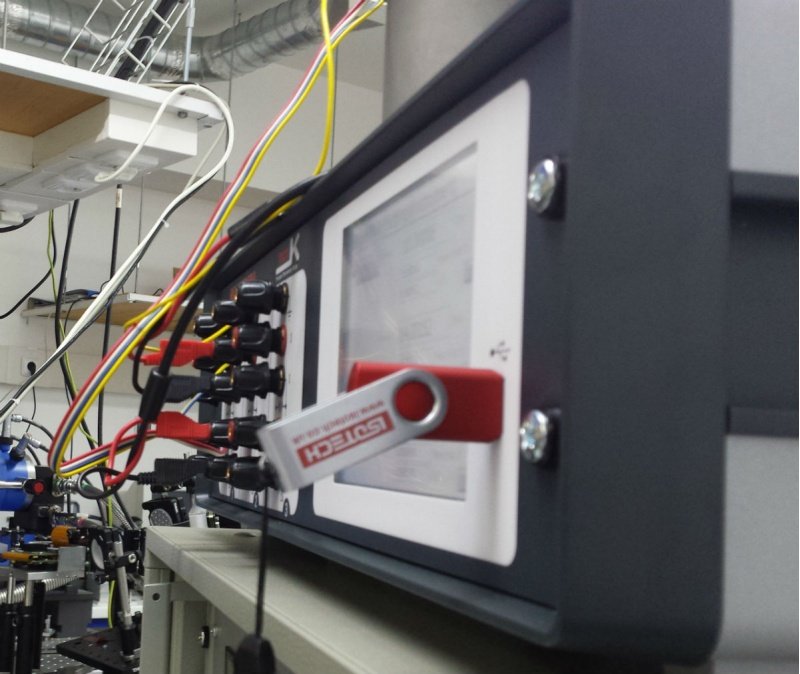
One prominent example comes from a 2021 metrological study of deep-ocean thermometry by researchers at the National Research Council (Canada) and NIOZ (Netherlands). In this work, a state-of-the-art calibration facility was built to recalibrate deep-ocean reference thermometers (Sea-Bird SBE35 and SBE3) with sub-millikelvin uncertainty. A key component of this setup was an Isotech microK 70 precision resistance bridge, used to read two reference SPRTs (Standard Platinum Resistance Thermometers) during comparison calibrations.
The microK's exceptional accuracy (on the order of 0.02 ppm) enabled the team to reduce calibration uncertainty below 1 mK across 0–30 °C. This level of precision is crucial, as monitoring deep-ocean temperature change requires maintaining ~1 mK accuracy over decadal timescales. By leveraging the microK 70 along with high-quality fixed-point references (triple point of water and gallium melting point cells) and a stable comparator bath, the researchers could detect minute deviations in the SBE35 thermometers and assess their long-term drift and pressure response.
3.2 WHOI CTD Calibration Laboratory Standards
At the Woods Hole Oceanographic Institution (WHOI), the CTD Calibration Laboratory maintains primary temperature standards for oceanographic sensors. The lab's documented capabilities (circa 2007) show the use of several Isotech calibration artifacts as fundamental references. In particular, WHOI has gallium melting-point cells and maintenance ovens (manufactured by YSI/Isotech), as well as an Isotech four-cell water triple-point maintenance bath, in its suite of primary standards.
The gallium melt point (29.7646 °C) and water triple point (0.01 °C) are fixed points on the ITS‑90 temperature scale, and by realizing these in Isotech's high-purity cells and specialized baths, the lab achieves extremely low uncertainties (on the order of 0.0001–0.001 °C). These standards are used to calibrate oceanographic CTD sensors (Conductivity-Temperature-Depth instruments) and ensure their readings are traceable to SI units across the oceanographic temperature range.

Image credit: Doc Searls; Wikimedia Commons, CC BY 2.0
3.3 Drifter SST Sensor Calibration (Copernicus/SHOM)
In climate observation programs, sea-surface temperature (SST) measured by drifting buoys must be extremely accurate to serve as reference ("fiducial") measurements for satellite SST data. The French oceanographic service (SHOM), in collaboration with the EU's Copernicus "Trusted" Fiducial Reference Measurement project, documented a rigorous calibration approach for buoy SST sensors. The SHOM calibration lab is equipped with an Isotech gallium fixed-point cell (melting point ~29.7646 °C) in addition to a high-precision water triple-point cell.
The Isotech gallium cell (calibrated with UKAS certification in 2021) serves as a stable reference at the warm end of the expected ocean range. By calibrating the drifter's reference thermometer (Sea-Bird SBE35 used as a transfer standard) at 0.01 °C and 29.7646 °C, the lab ensures the buoy sensors achieve the World Ocean Circulation Experiment (WOCE) accuracy targets (~0.002 °C). In practice, the SBE35 probes are first linearized in a precision bath against an SPRT, then "tied" to ITS‑90 by measuring their deviations in the Isotech triple-point-of-water and gallium cells.
3.4 Gallium Fixed-Point Calibration of Deep-Sea Thermometers (Sea-Bird & Field Use)
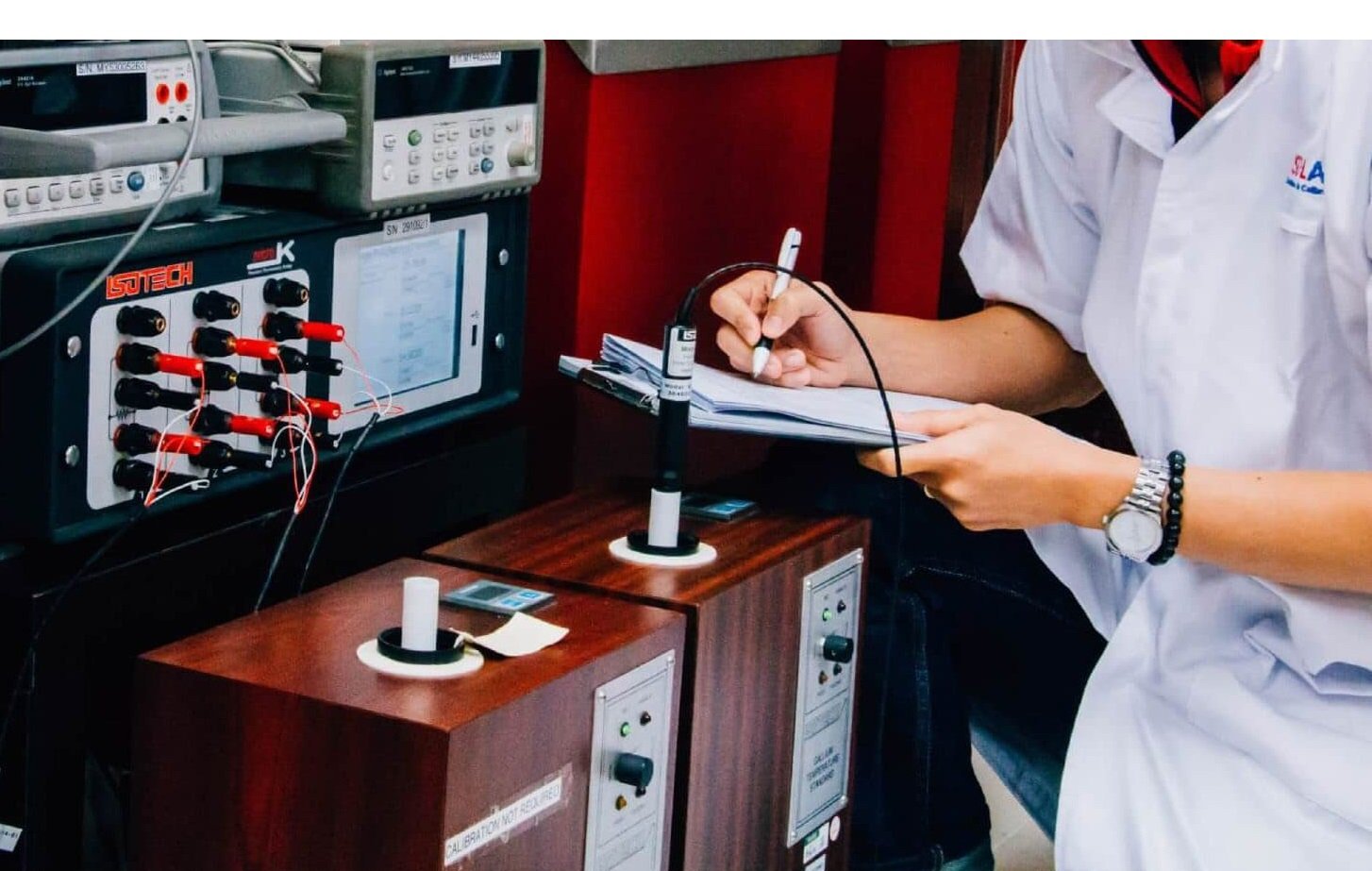
Sea-Bird Scientific, the manufacturer of the SBE35 Deep Ocean Reference Thermometer, also employs Isotech equipment for its highest-accuracy calibrations. According to the Sea-Bird SBE35 manual, the post-linearization "fixed-point" calibration of the thermometer uses a gallium melting-point (GaMP) cell for determining slope and offset corrections. Notably, "the GaMP cell is melted in an Isotech gallium oven" during this process.
The Isotech apparatus heats the gallium cell in a controlled manner to establish a stable melt plateau at 29.7646 °C, and the SBE35's readings are compared against this plateau to evaluate any sensor offset. By using the Isotech gallium fixed-point system, Sea-Bird achieves calibration accuracy on the order of ±0.0005 °C for the SBE35. Furthermore, oceanographic research groups have adopted this approach in the field. For example, the Southampton Oceanography Centre reported using a portable Isotech gallium melt cell apparatus (Model 17402B) aboard research cruises to recalibrate SBE35 thermometers at sea.
4. Discussion
Across these diverse applications, Isotech equipment consistently provides the reference-grade temperature measurements needed to validate sub-millikelvin stability in climate and oceanographic research. Its role extends beyond individual projects to support the broader scientific community's efforts to understand and monitor climate change.
The migration of such high-precision instrumentation from national metrology laboratories to oceanographic research facilities underscores the convergence of metrology and environmental science. This convergence is essential for achieving the measurement quality required to detect and quantify subtle climate signals in the world's oceans.
5. Conclusion
Isotech's precision thermometry equipment plays an essential role in enabling scientists to understand and monitor climate change and ocean processes. From deep-ocean warming detection to satellite validation measurements, the microK, milliK, and fixed-point cell technologies provide the measurement foundation necessary for high-quality climate data. As the demand for climate-quality measurements continues to grow, Isotech's contribution to oceanographic and climate research becomes increasingly vital.
6. Disclaimer & Attribution
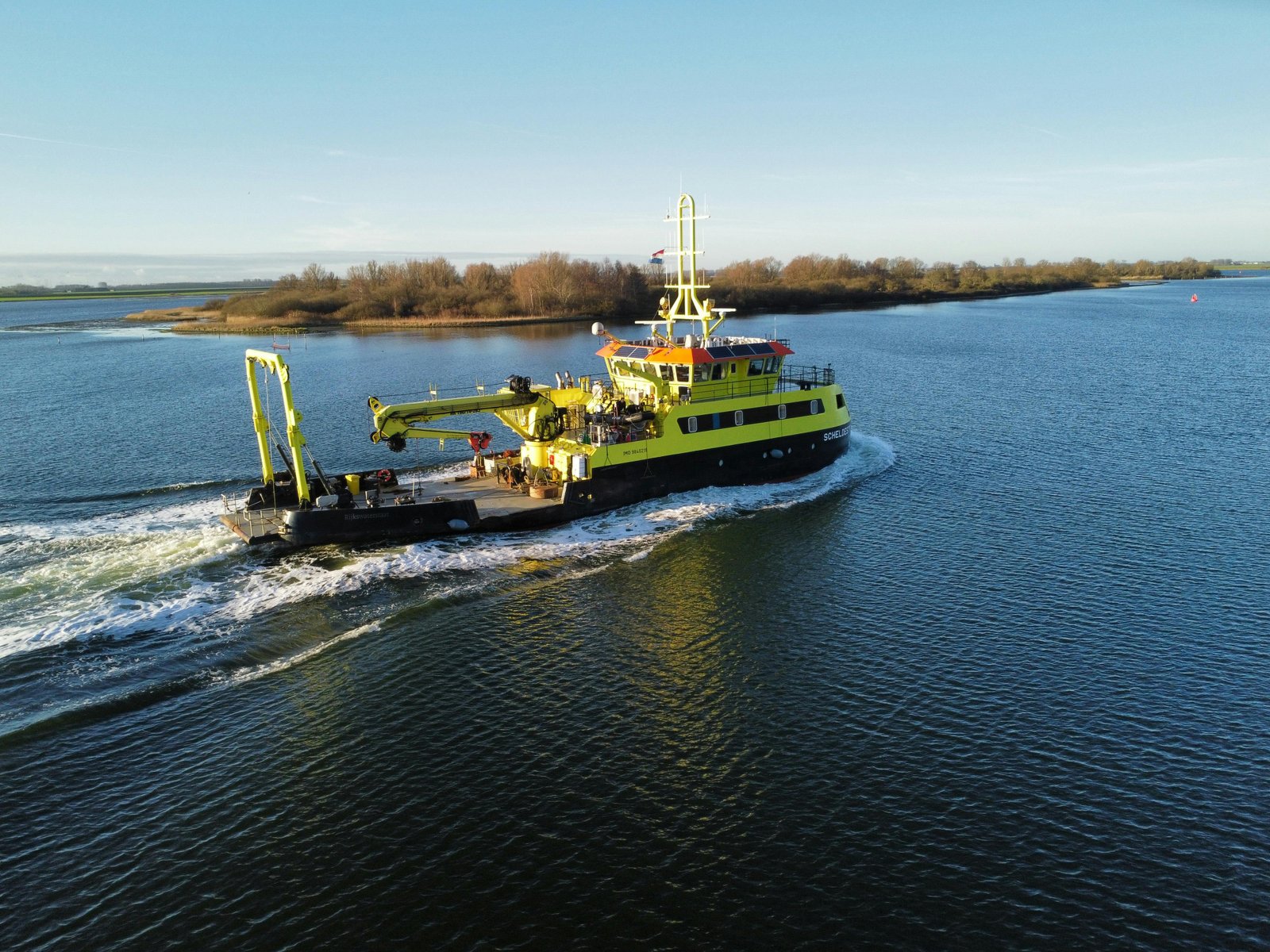
Mentions of organisations, instruments, and projects are for identification and informational purposes only and do not imply endorsement or affiliation. Technical parameters reflect publicly available sources as of August 2025 and may change without notice. All trademarks are the property of their respective owners. Images used under public-domain or Creative Commons licenses; see captions for credits and license terms.
References
- National Research Council (Canada) and NIOZ (Netherlands). (2021). Metrological study of deep-ocean thermometry. MDPI. Metrological Evaluation of Deep-Ocean Thermometers
- Woods Hole Oceanographic Institution (WHOI). (circa 2007). CTD Calibration Laboratory Standards. CTD/Calibration Operations
- SHOM (French oceanographic service) & Copernicus. Drifter SST Sensor Calibration - "Trusted" Fiducial Reference Measurement project. Metrology and traceability diagram for FRM drifters
- Sea-Bird Scientific. SBE35 Deep Ocean Reference Thermometer manual. British Oceanographic Data Centre. SBE 35 Deep Ocean Standards Thermometer
Learn More About Isotech
Discover Isotech, our range of products, calibration services, and how we can assist you.
Visit Isotech